
 CASE 01Demo
Stop Motion & Frame Sequences
Eight frames of the same elephant
The creator assembles eight edited frames of the same elephant into a stop-motion clip, demonstrating consistency in appearance, lighting, and surroundings.
RECENTLY UPDATED / (SHANGHAI TIME)
LIN YUEJI / ARCHIVE
Explore 58 public cases across stop motion, sprites, product imagery, storyboards, image editing, and information design. Model attribution follows the creators; combined workflows identify the other tools involved.
USE CASE MAP / 01
This collection preserves the key result, evidence type, creator, and original source for 58 public cases so you can quickly spot repeatable methods.
HOW TO USE / 02
Narrow by task, verify context at the original source, then reproduce the most useful path through EvoLink.
Start with coding, agents, creative work, evaluation, or another task family.
Use titles, methods, or creators to find the closest case to your current goal.
Select the creator to review the full demo, limits, context, and original explanation.
Choose a method worth testing, connect to the model, and turn it into your workflow.
REAL CREATOR CASES / 03
Up to four cases per row. Select a creator to open the original case; images and videos load only when needed.
58 cases
CASE 01DemoThe creator assembles eight edited frames of the same elephant into a stop-motion clip, demonstrating consistency in appearance, lighting, and surroundings.
 CASE 02Demo
An existing artwork becomes a stop-motion film through small edits and frame-by-frame assembly.
 CASE 03Demo
The creator reports generating 96 individual images of a cycling pelican and having ChatGPT stitch them into an eight-second animation.
 CASE 04Demo
A character reference becomes a 4×4 pixel-art combat sheet, shown with an animation and image. The post points to its thread for the prompt.
 CASE 05Demo
A reference character becomes a pixel-art idle animation. The source includes an animation and image, with the prompt referenced in replies.
 CASE 06Demo
The source shows a character profile card created with GPT Image 2.5.
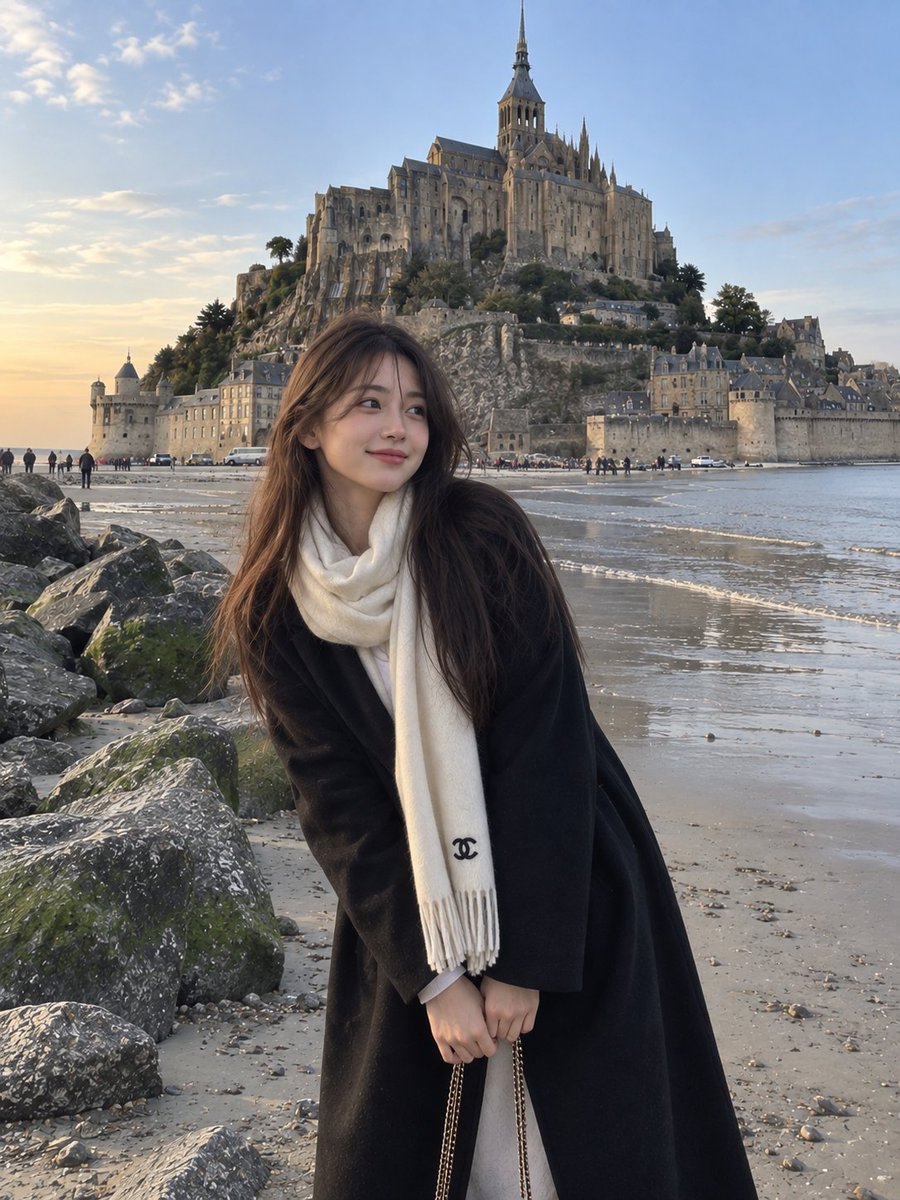 CASE 07Demo
A published prompt specifies clothing, a tidal shoreline, historic architecture, and soft evening light for a 3:4 travel portrait.
 CASE 08Evaluation
Only the nails are edited in a Nano Banana Pro image. The creator notes lost fabric detail and brighter colors, then uses Python through Astra to restore the color balance.
 CASE 09Demo
The published prompt defines a dragon confronting a samurai, a red-black-white palette, and scratched, photocopied print textures.
 CASE 10Evaluation
A 360-degree wooden chess knight task compares GPT Image 2 and 2.5, with a prompt emphasizing stable grain, shape, and camera position.
 CASE 11Demo
Successive edits of a clay puppet produce transparent PNGs, manually timed at 12 fps and composited onto a miniature set.
 CASE 12Demo
The creator shows a marketing image of a person holding their own game card, using a scene description for lighting, a streamer setup, and product placement.
 CASE 13Evaluation
A short instruction to move a lamp to the right tests local editing and lighting changes, with an image supplied as evidence.
 CASE 14Demo
Three reference people are placed in an office coding scene. The creator reports that faces, identifying features, and requested actions are largely preserved.
 CASE 15Tutorial
A 4×4 sequence with Chinese lettering is generated, then sliced, trimmed, and assembled into a looping blowing-kiss GIF.
 CASE 16Evaluation
Before-and-after images accompany a restoration prompt that asks to preserve style, color, and composition while removing noise.
 CASE 17Demo
A complex multi-shot prompt is turned into a storyboard to inspect shot coverage and visual ideas before generating video.
 CASE 18Integration
The Impeccable creator demonstrates transparent illustrations on custom backgrounds, distinguishing white petals from transparent gaps.
 CASE 19Demo
Seedream 5.0 Pro supplies the character, GPT Image 2.5 creates a transparent 4×4 sequence, and ChatGPT Work assembles the GIF.
 CASE 20Demo
A video shows game UI visuals attributed to GPT Image 2.5; the source does not provide a complete implementation workflow.
 CASE 21Evaluation
The creator tests website design and image consistency on Higgsfield and shares the visual result.
 CASE 22Integration
GPT Image 2.5 supplies neon visuals for pillow drums; Astra and TouchDesigner contribute to the camera-tracked, live interactive setup.
 CASE 23Demo
Using Codex and a project MCP, the creator produces an unofficial fan key visual with ten characters, a logo, and release information.
 CASE 24Tutorial
Astra extracts a reference photo’s style into JSON, then GPT Image 2.5 combines that direction with a product image. Reusing the character reference guides later variations.
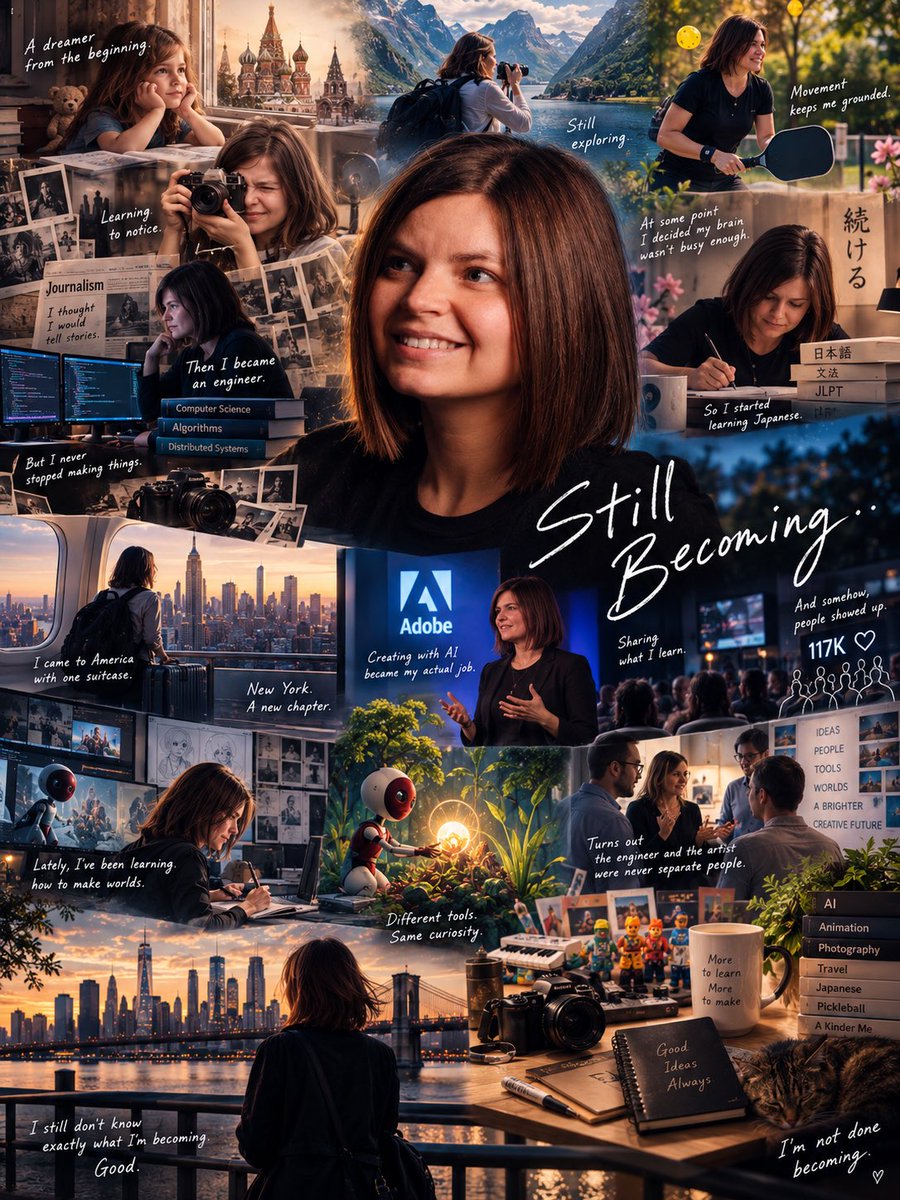 CASE 25Demo
GPT Image 2.5 in Firefly Boards turns a personal life story into a mind map for introductions.
 CASE 26Evaluation
Nine edits reuse each robot image as the next input, with a comparison video examining face, texture, and background consistency.
 CASE 27Evaluation
A clay-flower task with specified composition, ten petals, and fixed lighting compares GPT Image 2.5 and Nano Banana Pro for stop motion.
 CASE 28Demo
A baseball home run is built frame by frame, with a bat flip and stadium music in the finished experiment.
 CASE 29Integration
GPT Image 2.5 provides character imagery; the creator credits GPT-6 Astra with rigging in Blender and shows the rig in motion.
 CASE 30Demo
A set of images shows a hand-drawn layout expanded into city scenes, using a sketch to guide the spatial concept.
 CASE 31Demo
The creator shares a Sunburst character sheet, praising its detail while noting the high cost of use.
 CASE 32Integration
For a Snakes & Ladders project, GPT Image 2.5 creates assets, Blender handles animation, and Astra with Unreal Engine builds the game.
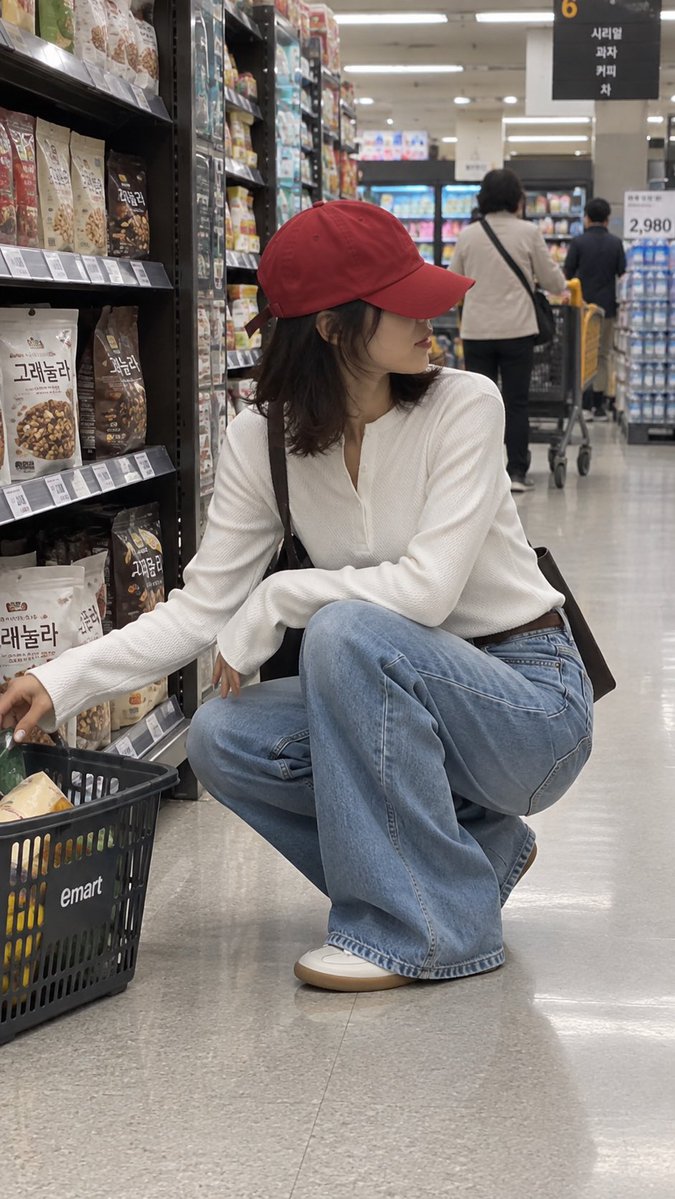 CASE 33Demo
A clothing professional tests everyday retail and customer-photo styles, discussing naturalness and earlier problems with background text and detail.
 CASE 34Demo
The creator shares illustrated explanation images and reports improvements in readability, detail, and editing.
 CASE 35Demo
GPT Image 2.5 creates an endpoint image preserving the woman and atmosphere; Grok Imagine Video generates the motion between the supplied frames.
 CASE 36Demo
An infographic arranges guidance about secondary X accounts. This case illustrates information design, without independently validating the pictured policy advice.
 CASE 37Demo
The creator generates 36 images and stitches them together in Codex, explicitly stating that no video generation model was used.
 CASE 38Evaluation
After ten editing rounds, the creator reports visible noise during the sequence and tries an additional instruction to remove it.
 CASE 39Demo
Local variations preserve the character’s placement and scale. After a 3×3 attempt caused deformation, the creator used two sets of nine variations for a GIF.
 CASE 40Demo
Reference artwork guides a 3×3 storyboard for a hypothetical music video, compared with earlier results to assess a future production.
 CASE 41Integration
A fighter-jet sketch becomes a realistic image with GPT Image 2.5, then GPT-6 Astra uses the image to build a Blender model.
 CASE 42Integration
GPT Image 2.5 supplies expression variants, while an Astra-built app and iFacialMocap handle facial tracking.
 CASE 43Demo
The source shows a sketch-to-GIF result, which the creator says required only a few additional notes.
 CASE 44Tutorial
After transparency failed on the combat sheet, a new chat removes the background, slices the 4×4 grid, aligns the frames, and assembles a GIF.
 CASE 45Evaluation
The creator revisits hairstyle and makeup analysis images, examining facial consistency and forehead proportions.
 CASE 46Evaluation
One room image seeds ten consecutive alternate viewpoints, with the input and results presented for comparison.
 CASE 47Demo
A portrait is used to create a side-by-side hairstyle analysis graphic, comparing several looks on the same subject.
 CASE 48Demo
A simple dolphin sketch supplies contours and colors for a completed scene shown by the creator.
Showing 48 / 58
BUILD WITH EVOLINK / 04
Connect to the model through EvoLink and build from directions already demonstrated in public.