
 CASE 01Evaluation
3D Modeling & Scenes
Darth Vader 3D comparison
The author shares Darth Vader 3D models from Sonnet 5.5 and GPT-6 Sol.
@AiBattle_RECENTLY UPDATED / (SHANGHAI TIME)
CHEER LIN / ARCHIVE
Browse 87 public Claude Sonnet 5.5 use cases, evaluations, and reports of limitations. Check the tasks, outcomes, and conditions with original sources, creator accounts, and tool roles preserved.
USE CASE MAP / 01
Cases, evaluations, and limitations explicitly attributed to Sonnet 5.5 are retained with promotional disclosures, companion tools, failures, and unfinished work. Results come from public demos or creator accounts and have not been individually reproduced by this site. Record counts do not represent independent successful projects.
HOW TO USE / 02
Browse by task, then check the original inputs, toolchain, test conditions, and reported outcomes to choose a method to test yourself.
Filter by category or search titles, methods, and creators to find demos, evaluations, and limitations.
Confirm the source explicitly uses Sonnet 5.5 and identify the steps performed by external tools or other models.
Open the creator’s post for context, disclosures, inputs, revisions, failures, and unfinished work.
Connect through EvoLink, prepare the inputs and tools shown in the case, and record cost, time, and actual outcomes.
REAL CREATOR CASES / 03
Up to five cases per row, with fewer columns on narrower screens. Select a creator to open the original case; images and videos load only when needed.
CASE 01EvaluationThe author shares Darth Vader 3D models from Sonnet 5.5 and GPT-6 Sol.
@AiBattle_ CASE 02Evaluation
At High effort, the author reuses an earlier Opus prompt for a 30-second product reel with music, real assets and elaborate motion, then shares Sonnet's result.
@HO_BA CASE 03Demo
The author reports a four-minute JavaScript rendition of Goldilocks and the Three Bears with character voices, music and sound effects; the audio tools are unspecified.
@WinterArc2125 CASE 04Demo
Using a skill based on Clawd Animation Base, the author splits the music video into 14 parallel chapters. Opus 5.5 writes the story and Sonnet 5.5 animates it.
@LLMJunky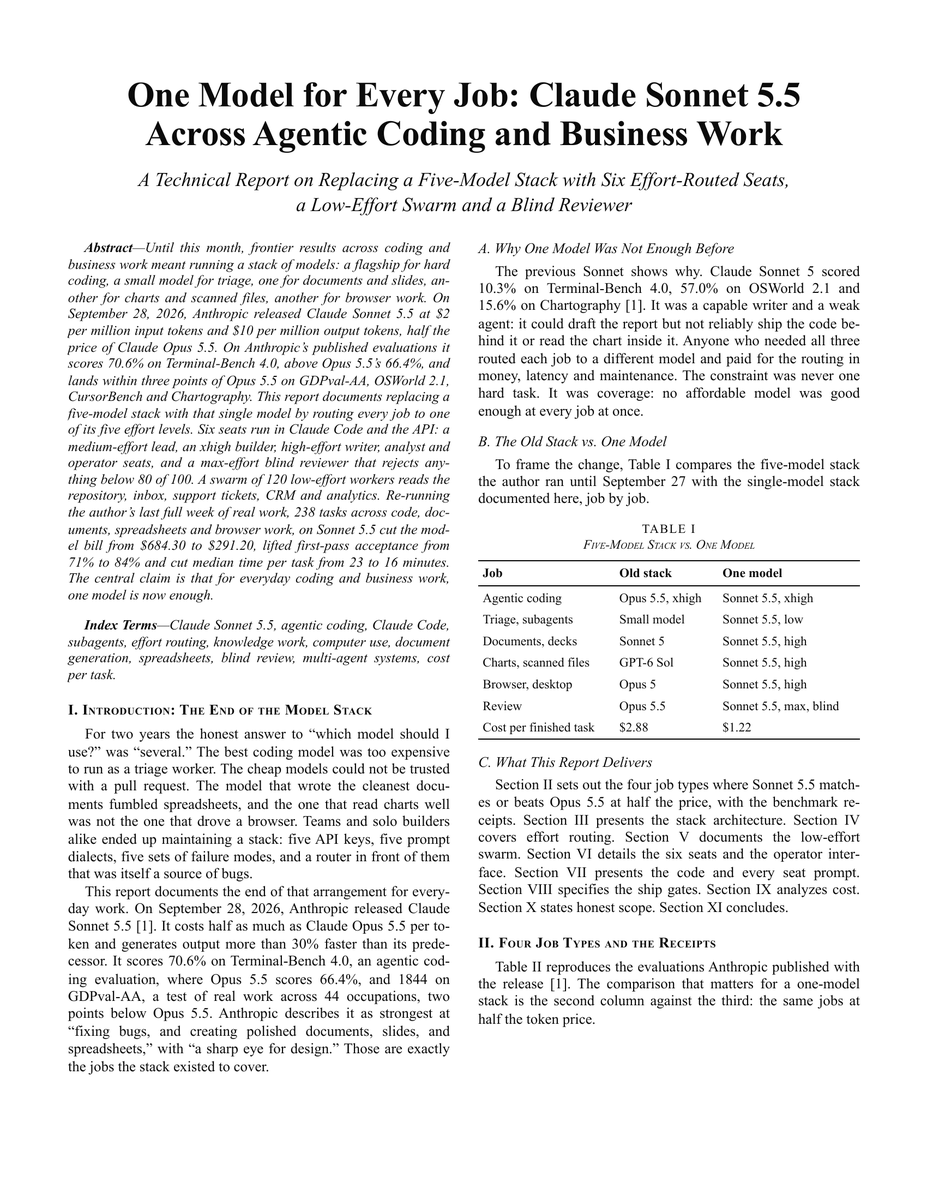 CASE 05Tutorial
The author promotes a seven-page workflow report covering a lead plus five subagents, blind review, diff and cost gates. The 120-worker scale and efficiency figures are the author's claims.
@Argona0x CASE 06Demo
The author reports a roughly 30-minute xHigh run using tools and references to make a lyric motion video for their own song from one prompt.
@original_ngv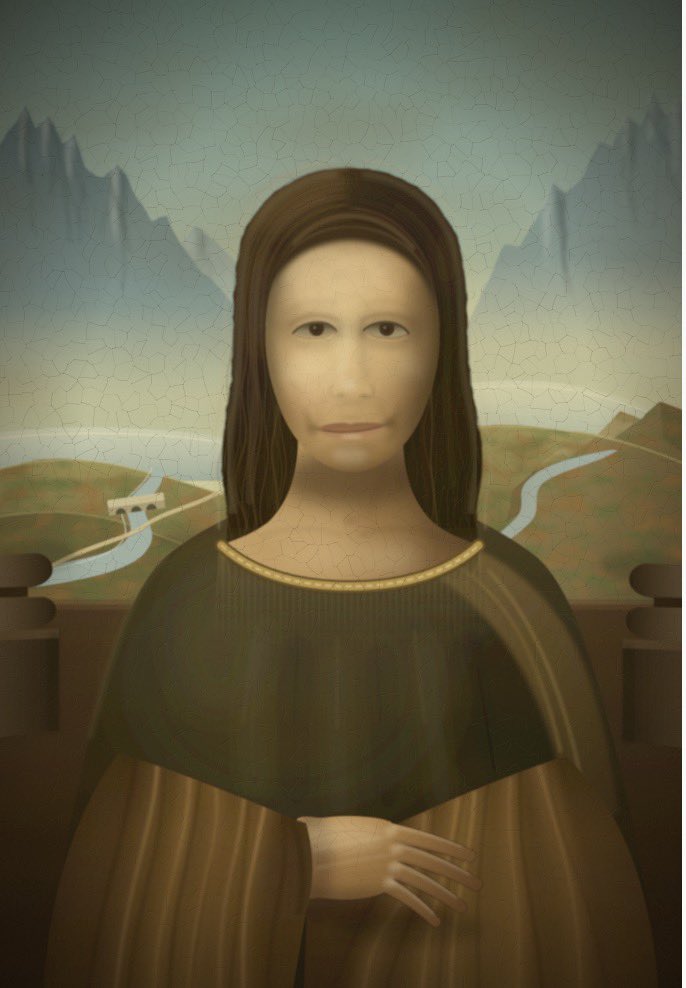 CASE 07Evaluation
The author asks Sonnet 5.5 Max to create the Mona Lisa in SVG and references an earlier Opus attempt.
@diegocabezas01 CASE 08Demo
BridgeMind's own promotional demo reports a one-pass zombie game at Max effort taking 49 minutes and $177, illustrating the task cost behind the showcase.
@bridgemindai CASE 09Demo
Higgsfield's own account presents a 40-v-40 shooter with airstrikes built using Sonnet 5.5 and its platform.
@higgsfield_ai CASE 10Demo
The prompt asks for a 3D BMW M5 in Three.js. The author explicitly reports one prompt and no edits before sharing the output.
@k2sbhai CASE 11Demo
The author asks Sonnet 5.5 to make a video explaining its own appeal and shares the result. Its pricing and performance messaging remains promotional claims.
@NFT_Chen CASE 12Demo
The author reports early access to Sonnet 5.5 and an Age of Empires-style game they can patch themselves, with a multiplayer play link.
@ForwardEditor CASE 14Demo
The author reports a one-prompt Mario Kart game and calls it their best result on this test, a personal assessment of that run.
@matthewmillerai CASE 16Evaluation
Using the same prompt, the author compares GPT-6 Astra Ultra and Sonnet 5.5 xHigh on a 3D Cerebras chip benchmark and discusses interactive learning.
@SPAC89 CASE 17Demo
The author makes an interactive plasma-globe desktop wallpaper with Sonnet 5.5 and Three.js; the quality comparison with Opus is personal opinion.
@chaseleantj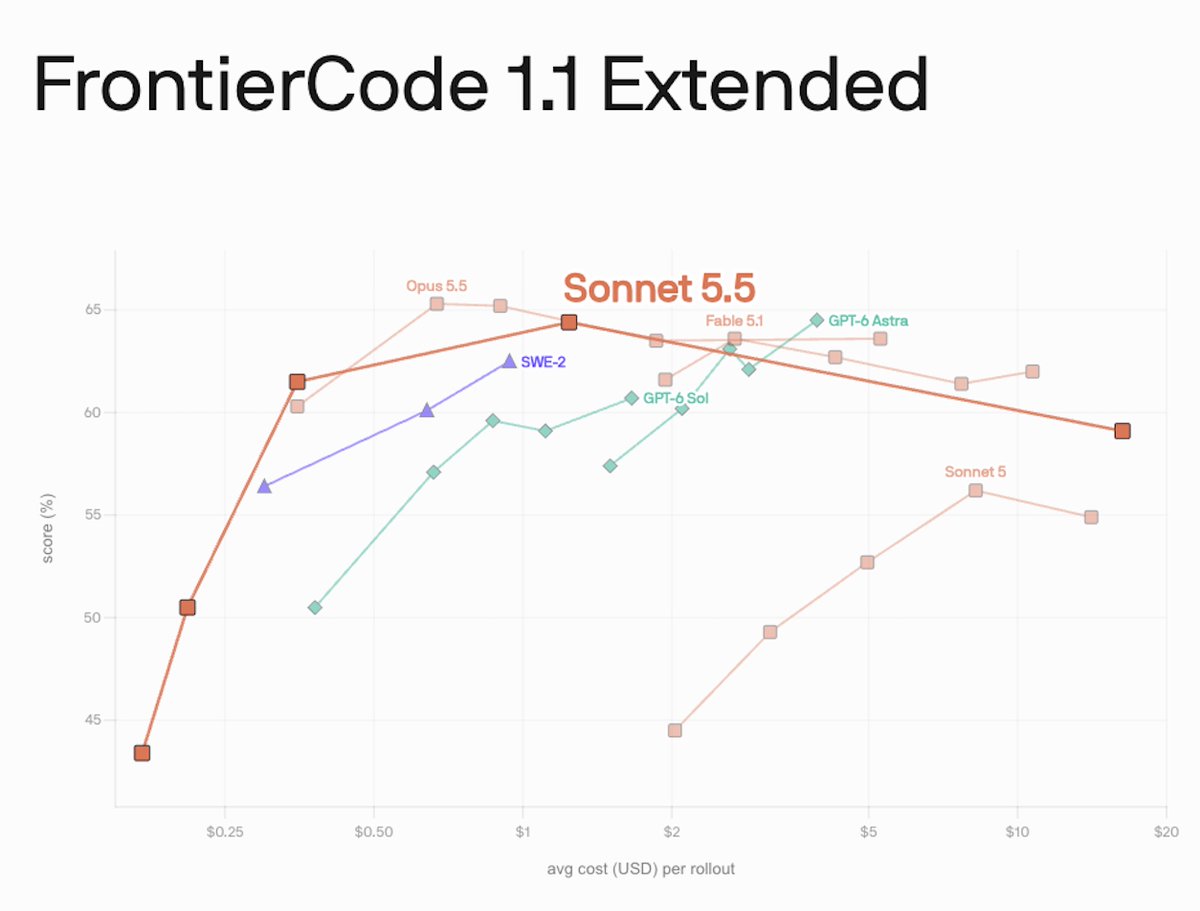 CASE 18Evaluation
Cognition's own launch post reports 64.4% on FrontierCode 1.1 Main and availability in Devin Desktop and CLI. The score is the platform's reported evaluation.
@cognition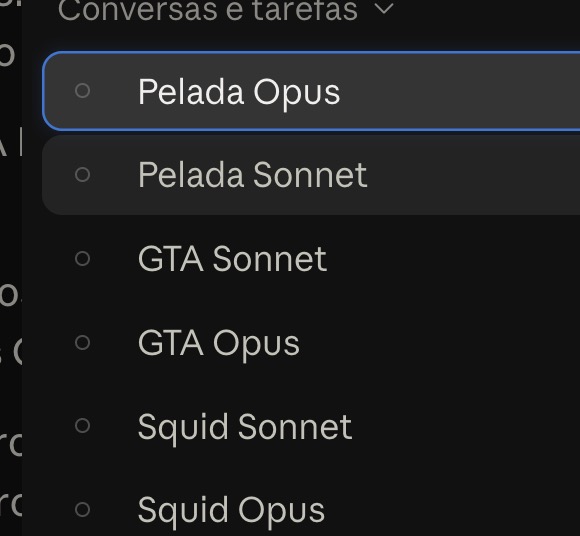 CASE 19Evaluation
The author gives Sonnet 5.5 and Opus 5.5 the same prompt to build GTA Rio, a PES-style Grenal game and Squid Game, reporting no extra human prompts.
@oalanicolas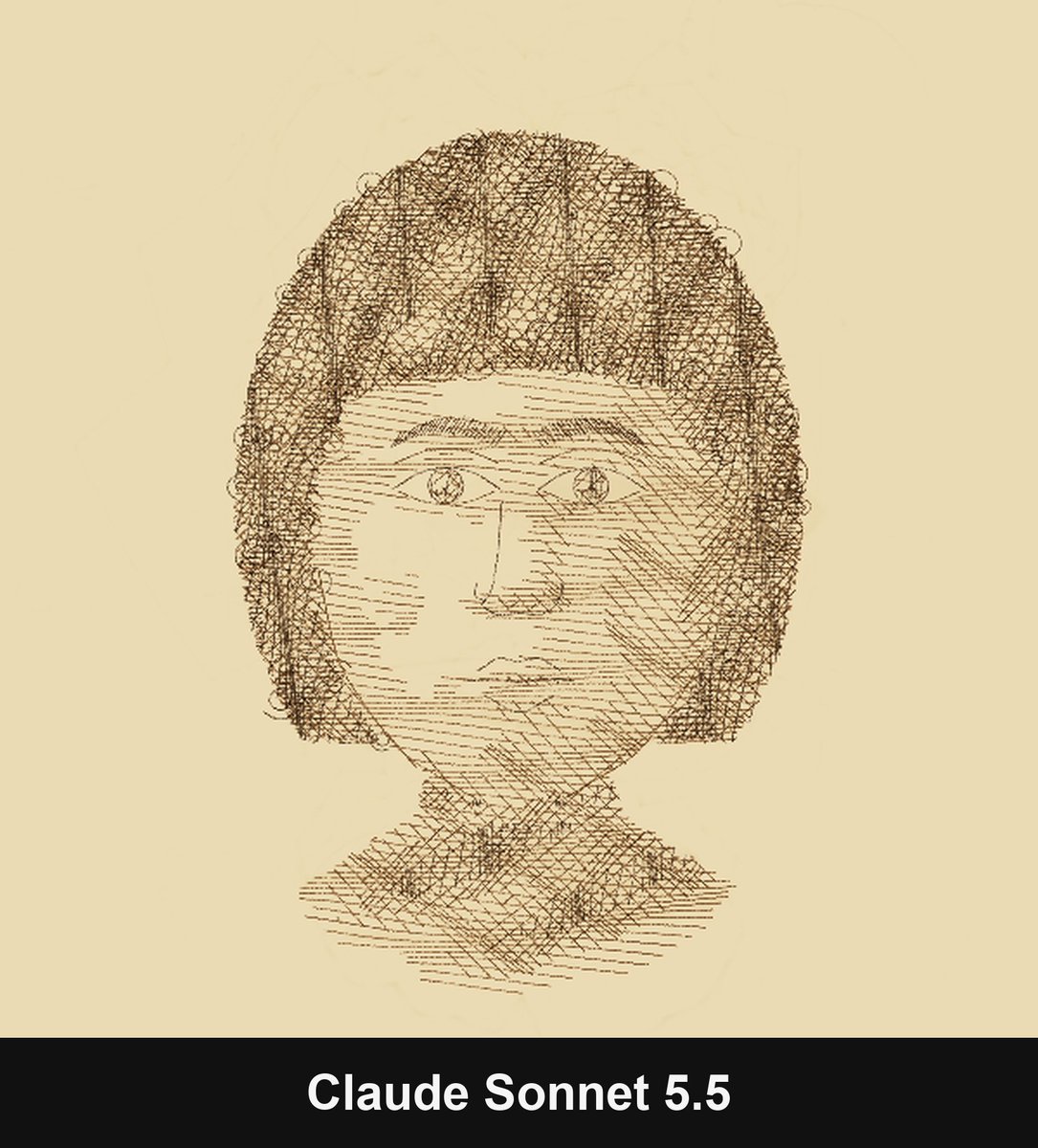 CASE 21Evaluation
The author asks Sonnet 5.5 and Opus 5.5 to draw self-portraits in different styles using JavaScript and shares their outputs.
@kickingkeys CASE 22Demo
The post presents a one-minute human-evolution animation whose every frame, the author says, was drawn in JavaScript by Sonnet 5.5.
@vibeeval CASE 23Tutorial
The author shares a Sonnet promotional reel made with code, including its music, and promotes a tutorial covering how seven videos were made.
@petergyang CASE 24Evaluation
Claude's own account reshares @_re_pete's fall-foliage simulator comparing Sonnet 5 and 5.5, providing a second distribution source for the creator's work.
@claudeai CASE 25Demo
Claude's own account reports that @LEJ_limited supplied a 60×46-pixel emoji, requested a printable 3D model and had a print hours later. This records the post's account.
@claudeai CASE 26Evaluation
Claude's own account reshares @kevin_t_ngo's JavaScript dinosaur-history animations, reporting the same prompt for Sonnet 5 and 5.5 and a runtime under a minute.
@claudeai CASE 27Evaluation
Claude's own account reshares @forwardeditor's bouncing-ball physics tests, reporting the same prompt for Sonnet 5 and 5.5.
@claudeai CASE 28Demo
The author reports a GIF animated in Python and rendered in Blender, made jointly with Opus 5.5 and Sonnet 5.5. Their individual roles are not specified.
@kevin_t_ngo CASE 29Demo
The author adapts GMI Cloud's Sakura engine into a late-1990s neighborhood using Opus 5.5 and Sonnet 5.5, reporting about one hour and $55–57 in tokens.
@AmirMushich CASE 30Demo
The author reports a one-prompt browser 3D tornado scene with a barn being torn apart and controls to steer the tornado.
@ivanainai CASE 31Evaluation
At High effort, the author compares Tokyo voxel scenes: 49m05s and $9.23 for Sonnet 5.5 versus 21m50s and $4.85 for Sonnet 5, using their reported bills.
@AiBattle_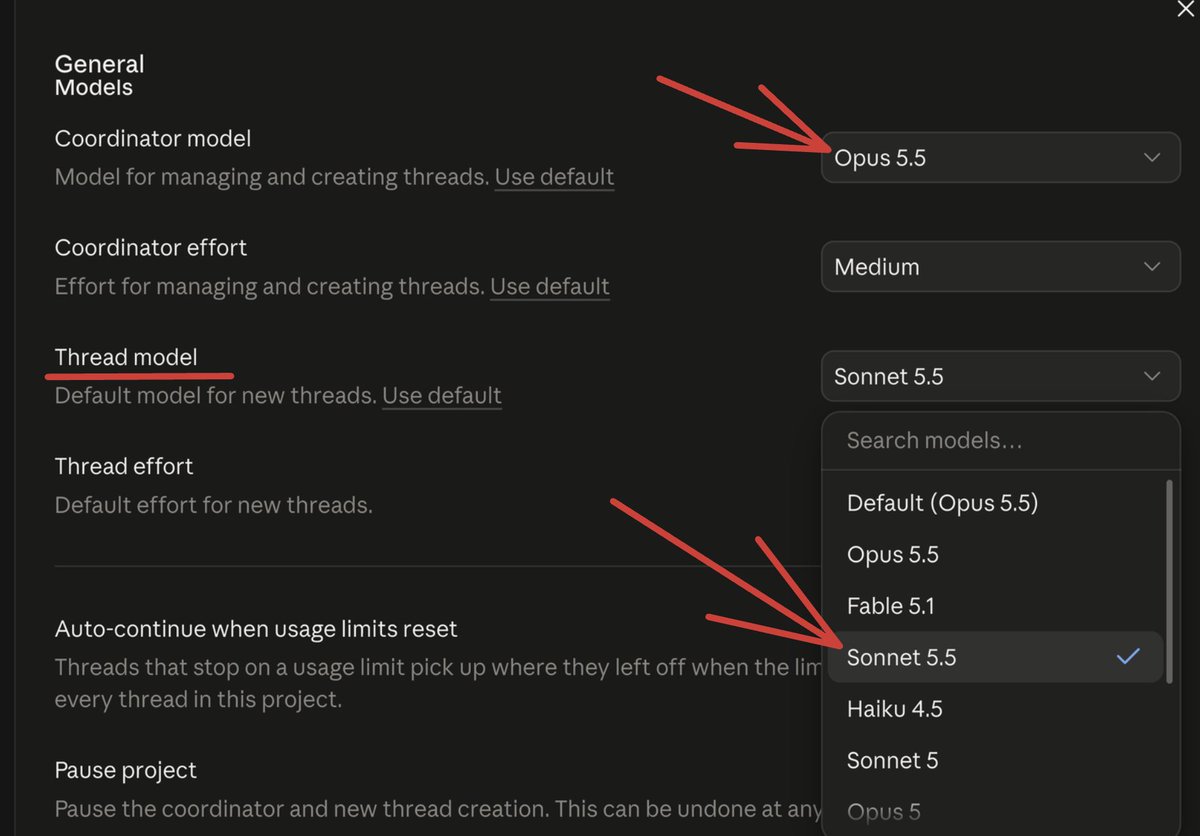 CASE 32Tutorial
The author shares a Claude Projects configuration tutorial recommending Opus 5.5 as coordinator and Sonnet 5.5 for threads.
@dani_avila7 CASE 33Limit
With the same prompt and reference image for a Three.js Jeep, the author reports 1h25m and 6% weekly quota for Sonnet versus 35 minutes and 7% for Astra; detail judgments are subjective.
@maxt3chno CASE 34Evaluation
The author gives Sonnet 5.5, Opus 5.5 and GPT-6 Astra one prompt each to build a 3D planet and shares the comparison; Sonnet uses Max effort.
@monokern CASE 35Demo
The author redesigns a personal website with Sonnet 5.5 and provides a site link and showcase, with a subjective assessment of design improvement.
@_tenZdhon_ CASE 36Evaluation
The post reports a cycling-pelican test: one roughly 68 KB SVG using SMIL without JavaScript, with linked wheel, pedal and chain motion plus limited feather detail.
@GKev1n CASE 37Demo
The author presents a Sonnet 5.5 Fortnite test, reporting one prompt and an output close to the original game, a judgment about this demo.
@ericmaskfr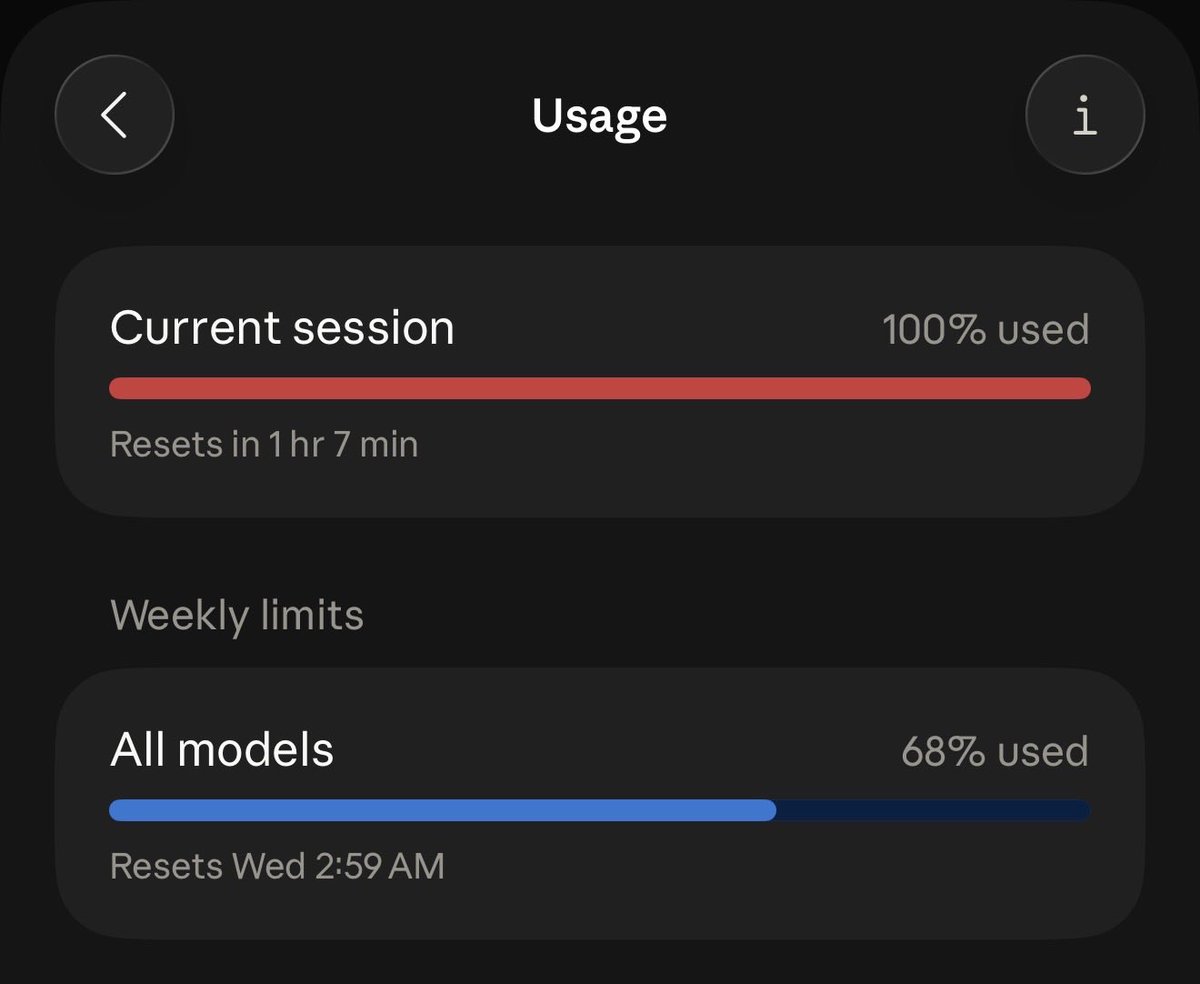 CASE 38Demo
On a $20 subscription, the author builds and refines a full-stack app at Low effort, reporting nearly four hours and 86 iterations in that session.
@IndependentEco CASE 39Evaluation
The author tests GPT-6 Sol and Sonnet 5.5 with a landing-page prompt and shares a visual comparison. The preference for Sonnet's polish is subjective.
@blueemi99 CASE 40Evaluation
The author compares Low through Max on one motion brief, assigning subjective grades from C+ to A. xHigh is judged most tightly beat-synced; Max is ambitious but silent.
@cherry_mx_reds CASE 41Evaluation
Under the same prompt and limits, Sonnet 5.5 and GPT-6 Sol each control a block-placing bot to build a colossal Minecraft dragon, with the author's preferred result.
@siyabuilt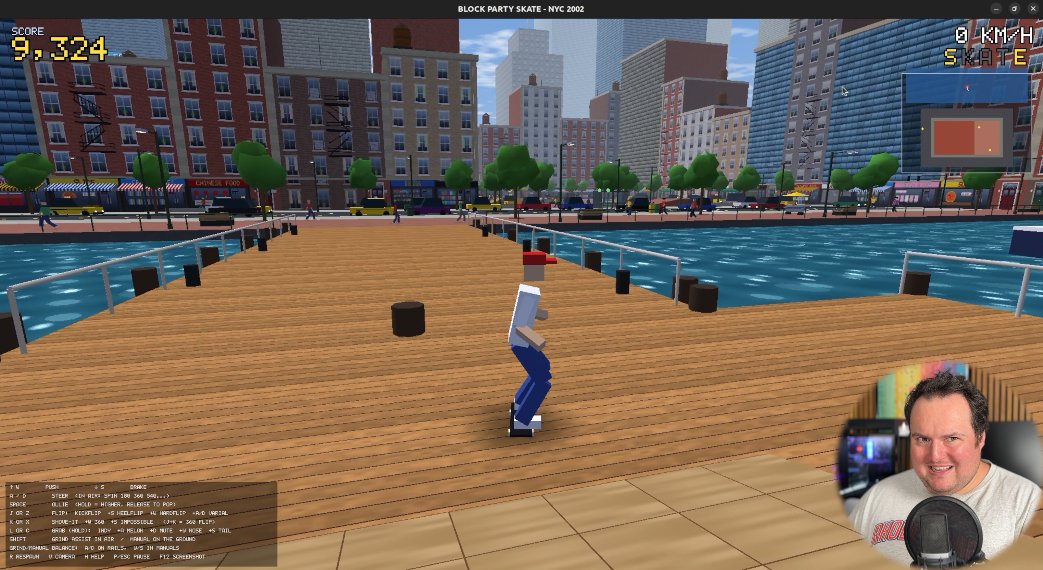 CASE 42Demo
The author presents a Sonnet 5.5 C++ skate game described as self-contained and dependency-free.
@bijanbowen CASE 43Evaluation
At Max effort, the author's New York scene test produces an automated city tour with parks, traffic and named landmarks, compared with an earlier Sonnet 5 run of the same prompt.
@aipulseda1ly CASE 44Tutorial
The official tutorial provides a Medium-effort SDK request, a /claude-api command for migrating from Sonnet 5, and the /model sonnet switch in Claude Code.
@ClaudeDevs CASE 45Tutorial
The author supplies six CLAUDE.md rules: Jev selects a profile, the host fixes model and effort, Sonnet handles scoped coding, and completion requires checks. The fourfold speedup is self-reported.
@Av1dlive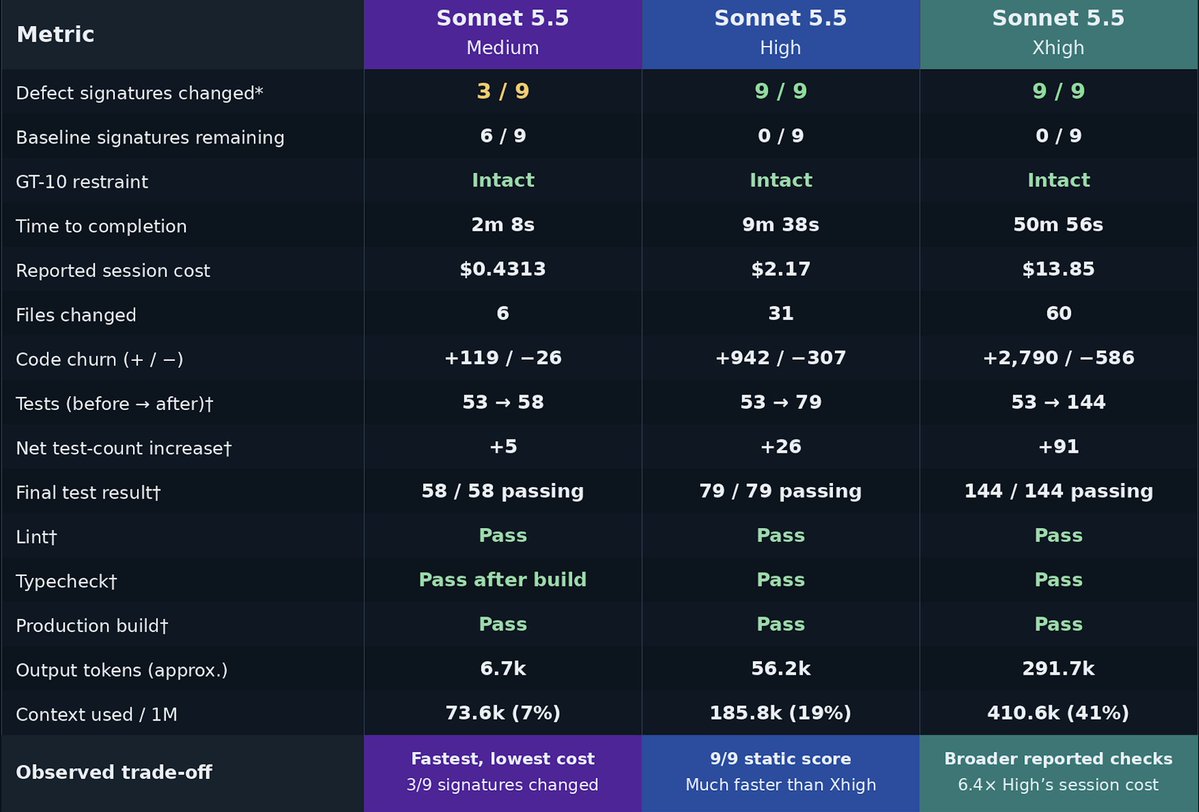 CASE 46Evaluation
In the author's nine-defect static code test, Medium changes 3/9 defect signatures while High and xHigh reach 9/9. High takes 9m38s and $2.17; xHigh takes 50m56s and $13.85.
@SKatalystAI CASE 47Demo
The author requests a Three.js CoD Zombies clone with breakable windows, rebuildable barriers, Mystery Box, perks and weapons, reporting code-generated textures, sounds and icons.
@intheworldofai CASE 48Evaluation
The author compares Sonnet 5.5 Max and Opus 5.5 Max on the cycling-pelican test and invites readers to inspect the results.
@wanxubo CASE 50Demo
The author builds a four-floor puzzle game, reporting roughly an hour to finish in friends-and-family testing. Voices use ElevenLabs; a persistent stalking enemy was omitted.
@The_Alex CASE 51Evaluation
The author gives Sonnet 5.5 and Opus 5.5 the same prompt for a mechanical watch assembling itself in midair and publishes the outputs.
@karankendre CASE 52Evaluation
BridgeBench compares the same lava-lamp prompt: Sonnet at $0.47 and 5m44s, Opus at $1.27 and 9m35s. These figures describe that reported test.
@bridgebenchShowing 48 / 87
BUILD WITH EVOLINK / 04
Access Claude Sonnet 5.5 through EvoLink. Use the cases to prepare inputs and required tools, start with a defined task, and record cost, time, and whether the result meets your requirements.